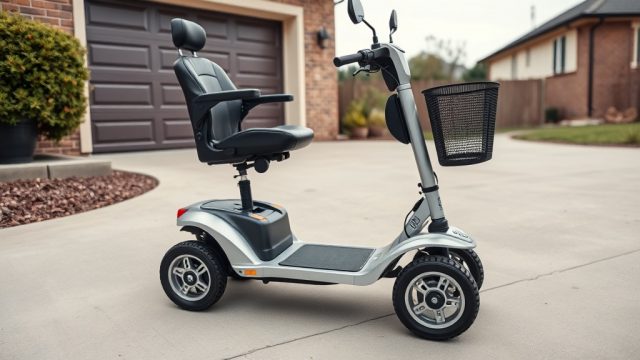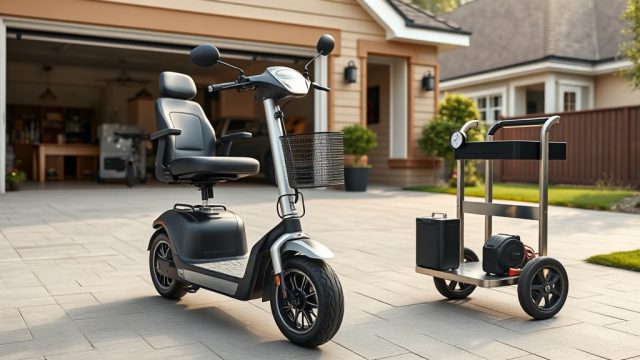
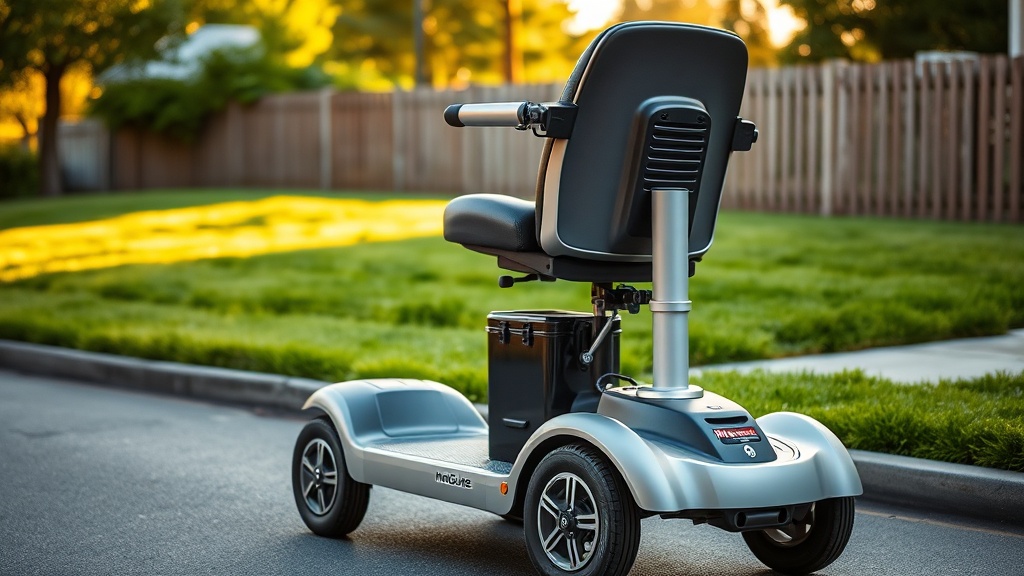
Keeping Your MobiGuide Global Mobility Scooter in Top Shape
Owning a MobiGuide Global Mobility Scooter means relying on it daily for independent movement, but even the most robust scooter needs consistent care. This guide focuses on two critical areas—battery and tire maintenance—to prevent costly breakdowns and keep you rolling smoothly for years. We’ll walk through real-world troubleshooting steps, share owner insights, and help you budget for replacement parts using realistic figures in US dollars.
How Often Should I Charge the MobiGuide Global Scooter Battery for Maximum Life?
Your MobiGuide Global uses a sealed lead-acid (SLA) or, on newer models, a lithium-ion pack. For SLA batteries, charge after every use, even if you only rode for 15 minutes. Never let the charge drop below 20%—deep discharges permanently reduce capacity. Lithium-ion packs benefit from partial charging (80% for daily use) but still need a full cycle every 30 days to balance cells.
A typical 12Ah SLA battery costs around $60–$90, while a 20Ah lithium upgrade runs $250–$400. Avoid leaving the scooter plugged in for more than 24 hours; overcharging causes heat damage. Use the supplied charger only—third-party units may not match the voltage curve.
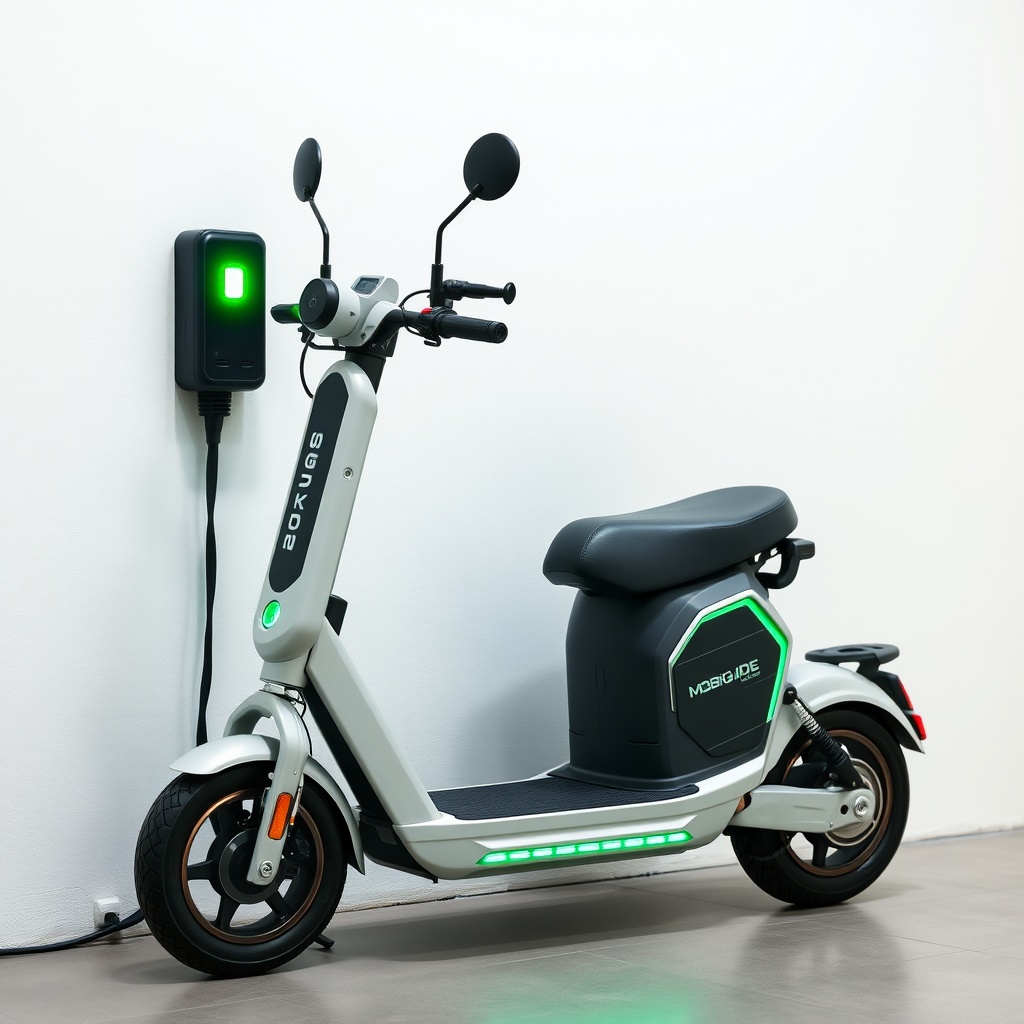
What Are the Signs My MobilGuide Scooter Battery Is Failing?
Watch for these symptoms before you get stranded:
- Range drops by more than 30% from original spec (e.g., a claim of 12 miles now delivers only 7–8 miles).
- Battery gauge shows full after 30 minutes of charging but drops to half under load.
- Wetness or corrosion around terminals (white/green powder).
- The scooter struggles on slight inclines it used to handle easily.
To test, fully charge and use a multimeter. A healthy 12V SLA should read 12.6–12.8V rested. Below 12.0V means imminent replacement. A quick fix for corrosion: clean terminals with baking soda paste and re-secure with dielectric grease. But if the battery is 18–24 months old, replace it—SLA chemistry degrades even with perfect care.
What Tire Pressure Should the MobiGuide Global Scooter Tires Hold?
MobiGuide typically fits 9–10 inch pneumatic tires rated for 30–50 PSI. Check the sidewall for exact spec—commonly 35 PSI for rear and 30 PSI for front (slightly lower for comfort). Underinflation is the #1 cause of tire failure: at 20 PSI, the tire flexes excessively, generating heat that can burst the tube or separate the tread.
Use a digital gauge once a week. Tire pressure varies with temperature: a 10°F drop means losing about 1 PSI. Replace valve caps tightly to prevent slow leaks. If you have a flat, examine the tire bead for damage—a simple tube replacement costs $15–$25 plus labor, while a new tire runs $30–$50.
| Issue | Symptom | Severity | Est. Cost (USD) | Fix Priority |
|---|---|---|---|---|
| Underinflation (≤25 PSI) | Wobbly ride, squishy feel | Moderate | $0 (pump air) | Same day |
| Bald tread center | Visible wear bars, slipping | High | $30–$50 (replace) | Within week |
| Sidewall crack | Bulge or split | Critical | $45–$70 (replace) | Immediate stop use |
| Flat from nail/screw | Slow hissing or fully deflated | Moderate | $15–$25 (patch or tube) | Same day |
| Valve stem leak | Hissing at stem base | Moderate | $5 (replace core or cap) | Within week |
How Can I Replace a Tire on a MobiGuide Global Scooter Without Professional Help?
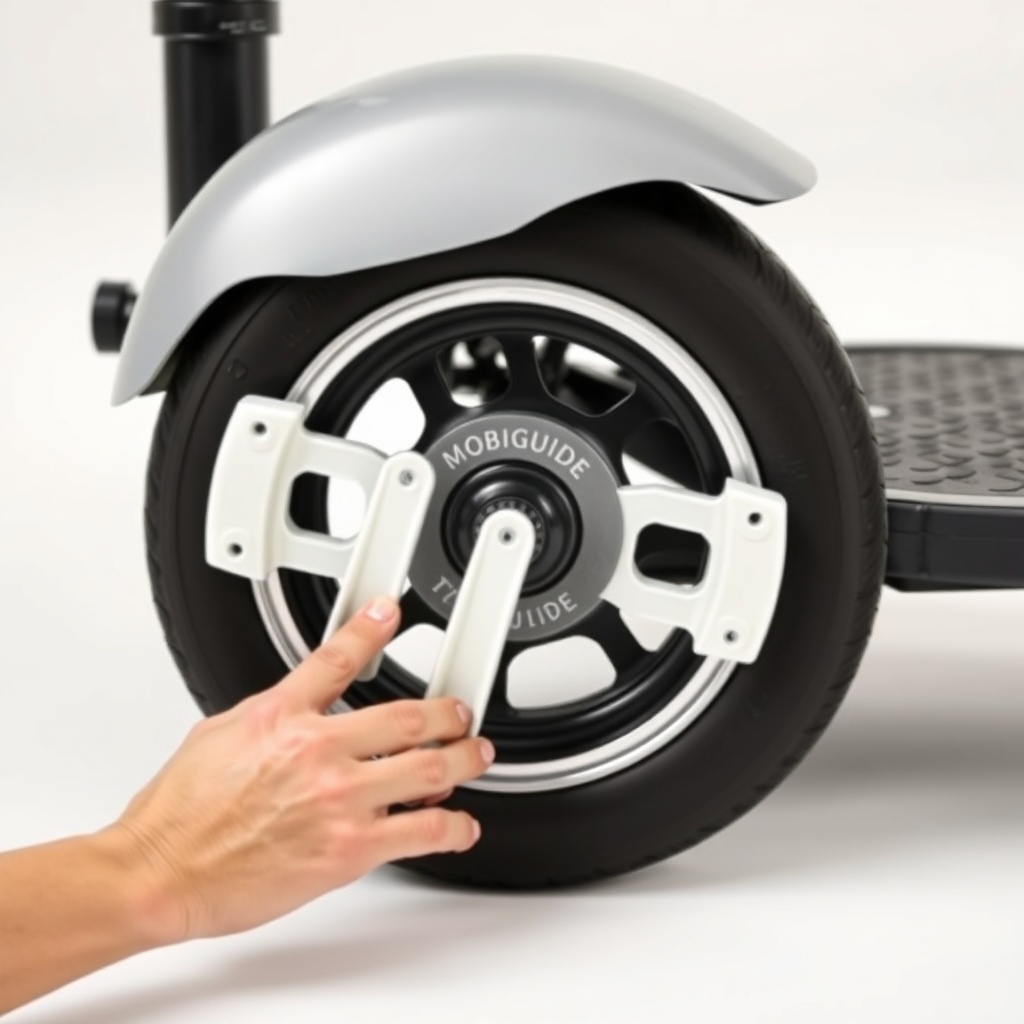
With basic tools, you can do it yourself. You’ll need: tire levers (plastic to avoid rim scratches), a new tube (size 9×3.50-4 for standard models), a pump, and 30 minutes. Disconnect the motor wires first—some models have a quick-connector near the axle. Release the five axle bolts (typically 10mm hex). Remove the wheel, then use levers to pop off one bead, slide out the old tube, and insert the new one (partly inflate it to prevent pinching).
Seat the bead by pressing the tire evenly while filling to 30 PSI. Check for wobble: spin the wheel and look for side-to-side movement—if more than 1/8 inch, the bead isn’t seated. Return the wheel and tighten bolts to 15–18 ft-lbs (torque wrench recommended). Cost: tube only $12–$18; tube plus tire $35–$55.
What Owners Say About MobiGuide Global Battery and Tire Care
Owners on forums frequently praise the scooter’s build quality but stress vigilance. “I learned the hard way—left the battery not charged for three weeks in winter, and it never recovered,” says Mark T. from Phoenix. “That $80 battery cost me $200 in taxi fares.” Many suggest a $20 smart charger with auto-cutoff.
Tire-wise, consensus: “Check pressure before every ride. I ignored a slow leak, and the tire shredded mid-block. Had to call my son.” Emily R. from Austin recommends a portable air compressor ($25 at auto stores). “Pays for itself after one flat fix near a busy street.” For longevity, some owners upgrade to solid polyurethane tires ($60–$80 per pair) that never go flat but ride stiffer.
Frequently Asked Questions About MobiGuide Global Scooter Maintenance
1. Can I use a car battery charger for my MobiGuide scooter battery?
No. Car chargers deliver higher amperage (10A or more) that damages SLA or lithium packs. Always use the included 2A scooter charger or a compatible smart charger.
2. How long do the tires typically last on a MobiGuide Global scooter?
With correct pressure and smooth pavement, rubber tires last 500–800 miles. Rough roads or gravel cut that to 300 miles. Replace when tread depth is below 1/16 inch.
3. Is it safe to ride in rain or wet conditions?
Moderately. The scooter is splash-resistant but not waterproof. Avoid deep puddles—water can seep into motor bearings or battery connections. Dry the scooter after wet rides. Tire traction reduces significantly; reduce speed.
4. What’s the recommended battery replacement schedule for SLA?
Every 18–24 months under normal use (daily 5–8 mile commutes). Lithium packs last 3–5 years. Annual voltage checks help catch decline early.
5. Why does my MobiGuide scooter make a thumping noise when rolling?
Usually a flat spot or bulge on a tire. Inflate fully and spin the wheel—look for uneven tread. If you feel a thump through the handlebars, replace the tire. Also check wheel bearings (grab tire and wiggle side-to-side—excessive play means loose bearings).
6. Can I repair a punctured tube on the roadside?
Yes, with a patch kit ($5). Remove the wheel, pull out the tube, rough the area around the hole, apply glue and patch, wait 10 minutes, then reinstall. But for slow leaks, replacing the tube is easier and more reliable.