Why Does Tire Pressure Matter for the Pride Go-Go Elite Traveller Plus?
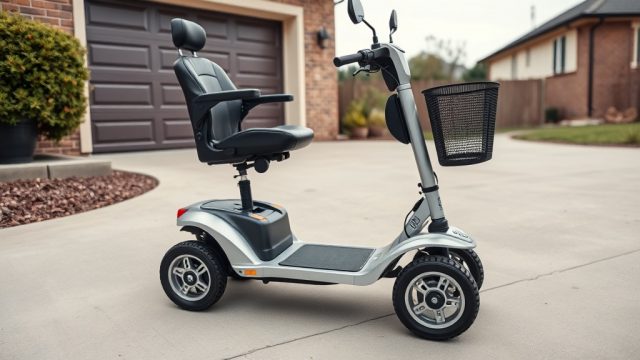
Tire pressure plays a critical role in the performance, safety, and battery efficiency of the Pride Mobility Go-Go Elite Traveller Plus. Underinflated tires increase rolling resistance, forcing the motor to work harder and draining the battery faster. Overinflated tires reduce traction, making the scooter feel unstable on turns or uneven surfaces. For a compact travel scooter like the Traveller Plus, which relies on solid or pneumatic tires depending on the model variant, maintaining the correct pressure is essential for smooth rides and extended component life.
What Is the Recommended Tire Pressure for the Go-Go Elite Traveller Plus?
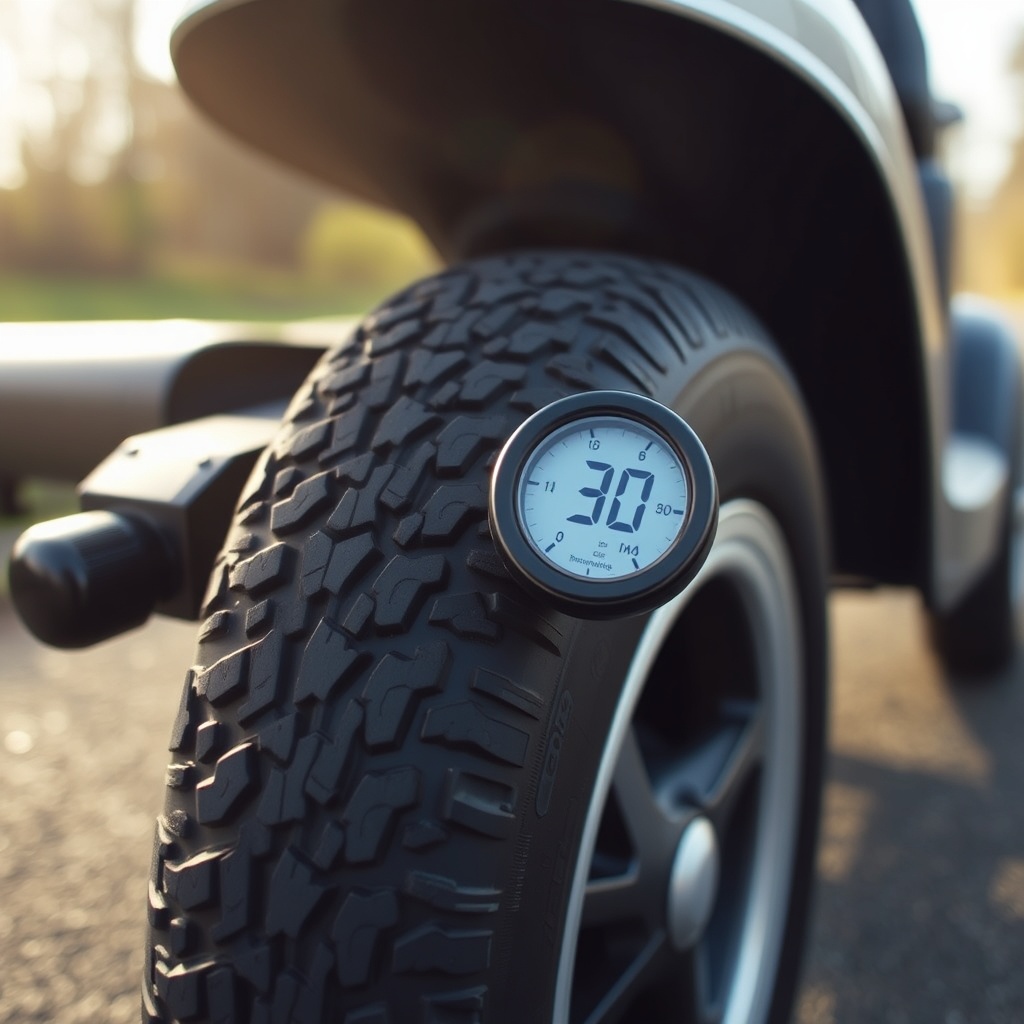
The Pride Mobility Go-Go Elite Traveller Plus typically comes with pneumatic (air-filled) tires on the rear wheels and a solid tire on the front steer tire. For the rear pneumatic tires, the manufacturer recommends a pressure range of 30–35 PSI (pounds per square inch). The solid front tire does not require any air pressure maintenance, but it should be inspected regularly for wear and debris. Always check the side of the rear tires for specific maximum pressure ratings printed by the tire manufacturer, as aftermarket replacements may vary slightly.
| Tire Position | Tire Type | Recommended PSI | Typical Wear Interval |
|---|---|---|---|
| Rear (left and right) | Pneumatic (air-filled) | 30–35 | 6–12 months |
| Front | Solid (foam-filled) | N/A | 12–18 months |
How Do You Check Tire Pressure on the Traveller Plus?
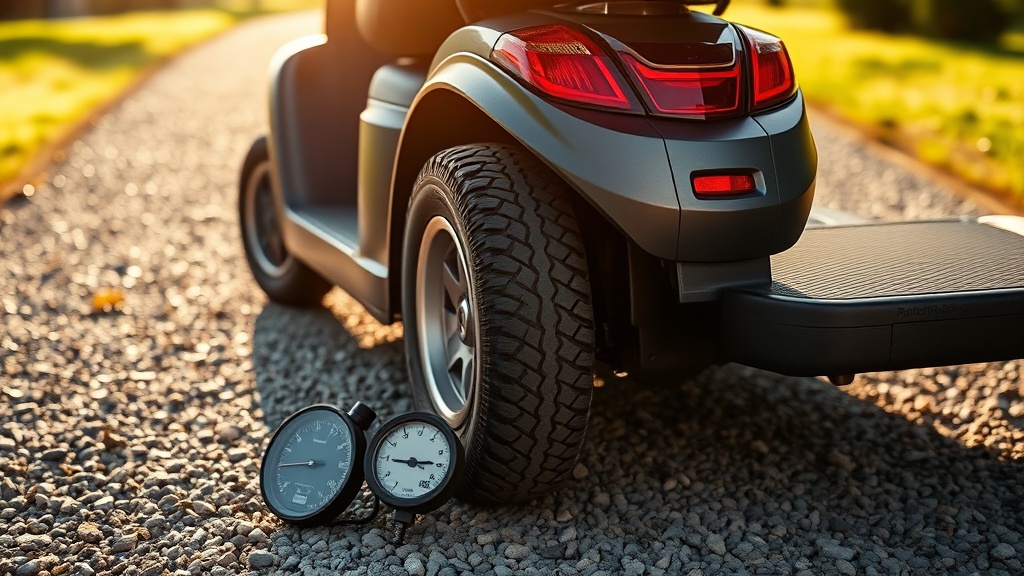
To check tire pressure, you need a standard tire pressure gauge with a Schrader valve fitting, as the Go-Go Elite Traveller Plus uses standard valve stems. Locate the valve cap on each rear tire, unscrew it, and press the gauge firmly onto the valve stem for 2–3 seconds. Read the pressure and compare it to the recommended 30–35 PSI range. If the reading is below 30 PSI, add air using a portable air compressor or a hand pump. If it exceeds 35 PSI, release small amounts of air by pressing the valve pin until the correct level is reached. Check pressure when the tires are cold, as heat from riding can artificially raise readings.
For a deeper dive into how tire pressure affects range, see our Pride Go-Go Elite Traveller Plus Battery Range: Real-World Test article, where underinflated tires were shown to reduce range by up to 15% on mixed terrain.
What Tools Do You Need for Tire Maintenance?
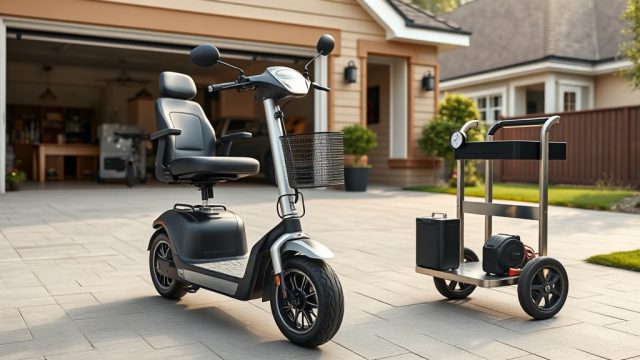
Maintaining proper tire pressure on the Traveller Plus requires a few basic tools that are inexpensive and widely available. A reliable digital or analog tire pressure gauge costs approximately $8–15 (USD) and should have a Schrader valve fitting. For inflation, a portable 12V air compressor designed for mobility scooters or bicycle tires is ideal and runs about $25–40 (USD). Alternatively, a hand pump with a pressure gauge built in is a budget-friendly option at $10–20 (USD). You should also keep a small valve cap replacement kit and a tread depth gauge for long-term wear monitoring.
- Digital pressure gauge: $10–20 (USD), essential for accuracy.
- Portable air compressor: $30–50 (USD), saves time and effort.
- Hand pump with gauge: $15–25 (USD), good for emergencies.
- Tire repair kit: $15–30 (USD), for puncture fixes.
- Valve cap replacement: $3–5 (USD), seals out dirt.
How Does Improper Tire Pressure Affect Battery and Performance?
Improper tire pressure has a direct impact on the Pride Go-Go Elite Traveller Plus’s battery life and overall ride quality. Underinflated tires increase rolling resistance, which means the motor draws more current to maintain speed—this can reduce the scooter’s maximum range by 10–20% on a full charge. Overinflation makes the ride harsher, reducing comfort and potentially causing the scooter to feel jittery on gravel or carpets. Additionally, uneven tire wear can lead to wobbling at higher speeds, which compromises stability. Our Pride Go-Go Elite Traveller Plus Battery Range: Real-World Test found that riders who maintained 32–34 PSI consistently achieved the advertised range, while those with low pressure struggled to reach 80% of expected distance.
What Are Common Tire Pressure Problems and Solutions?
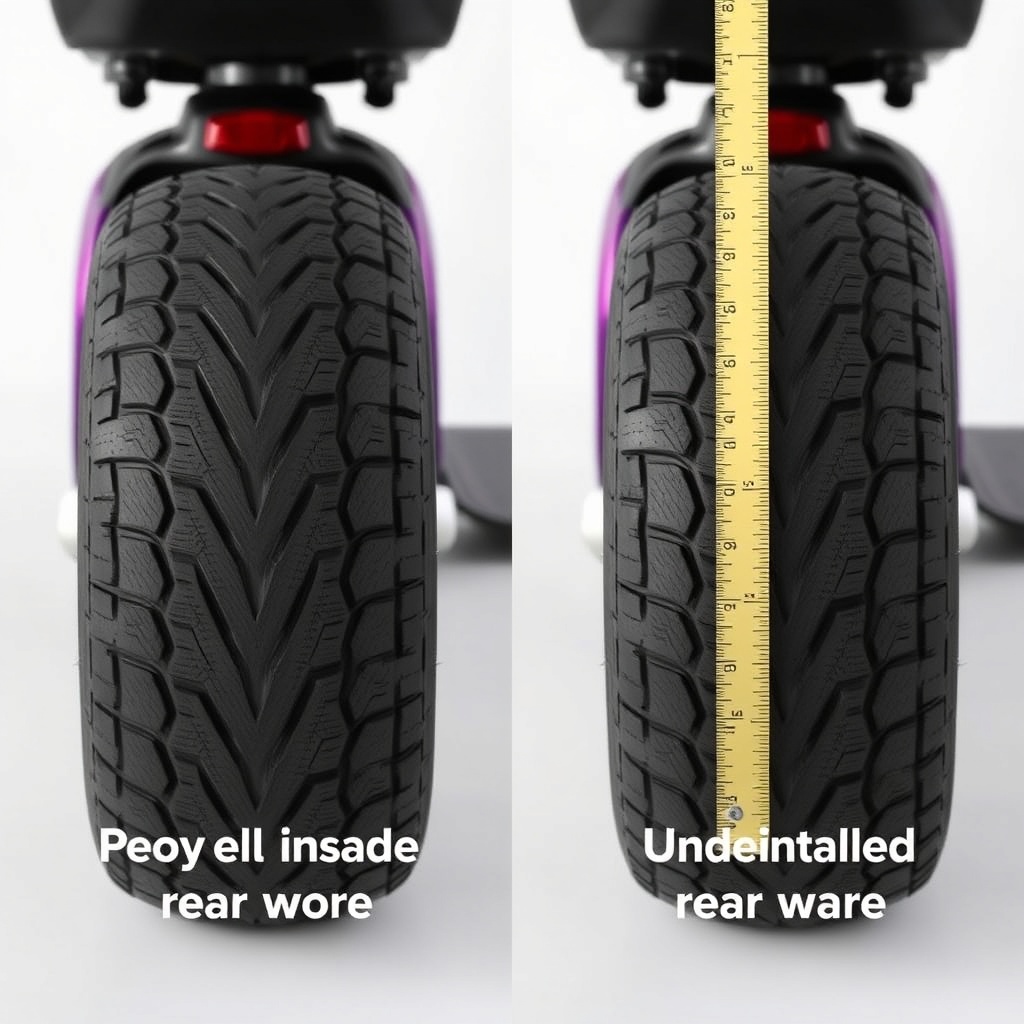
Owners of the Pride Go-Go Elite Traveller Plus often encounter a few recurring tire pressure issues. A slow leak in the rear tire is the most frequent complaint, often caused by small punctures from glass or sharp stones. The solution is to inspect the tire visually, apply soapy water to find the leak, and use a tire patch kit or replace the tube if necessary. Another common problem is valve stem damage from over-tightening valve caps or from debris around the stem. Replacing the valve core with a standard Schrader valve tool is easy and costs under $5 (USD). Finally, inconsistent pressure between left and right rear tires can cause the scooter to pull to one side; always equalize pressure within 1 PSI to ensure straight tracking.
What Owners Say
The rider community consistently highlights tire pressure as a key factor for satisfaction with the Traveller Plus. On forums and review sites, owners report that checking pressure weekly transforms the scooter from a “chugging” ride into a smooth cruiser. Many note that after adjusting to 32–34 PSI, they experienced fewer battery-related range anxiety moments. Some owners advocate upgrading to tubeless tires for easier puncture repair, but the stock tubed tires remain reliable when maintained. A common tip from experienced users is to keep a small gauge and pump in the scooter’s storage bag for on-the-go adjustments during longer trips.
Frequently Asked Questions
Can I use a car tire pump on the Traveller Plus?
Yes, but only with a pressure regulator or careful monitoring. Car pumps produce high volume and can overinflate quickly. Use a digital gauge to stop at 35 PSI maximum.
How often should I check tire pressure?
At least once a week, or before any trip longer than 5 miles. Seasonal temperature changes can cause pressure to drop naturally, so monthly checks are insufficient in winter.
What if my rear tire loses pressure overnight?
This indicates a slow leak. Submerge the inflated tire in a basin of soapy water to locate bubbles from the puncture, then patch or replace the tube. Check the valve stem first for ease of repair.
Are solid tires available for the Traveller Plus?
Some aftermarket options exist, but they are not officially recommended by Pride Mobility. Solid tires eliminate pressure worries but significantly reduce ride comfort and traction on wet surfaces.
Does altitude affect tire pressure?
Yes. If you travel from sea level to higher elevations, tire pressure may increase by 1–2 PSI due to lower atmospheric pressure. Adjust accordingly to stay within 30–35 PSI.
Where can I find the official pressure specs?
Consult your owner’s manual, or check the tire sidewall markings. You can also contact Pride Mobility customer service or visit Pride Go-Go Elite Traveller Plus Battery Range: Real-World Test for more performance data.