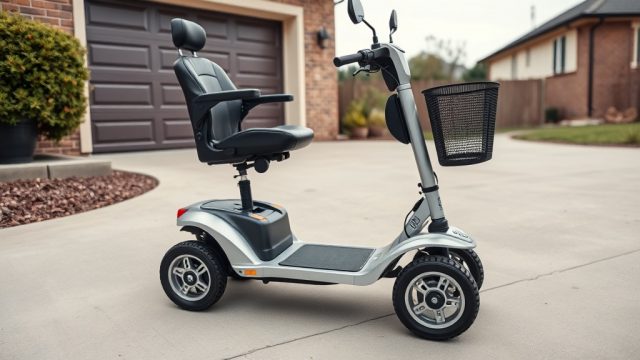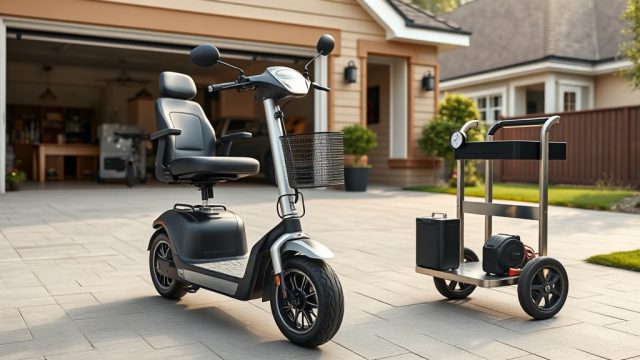
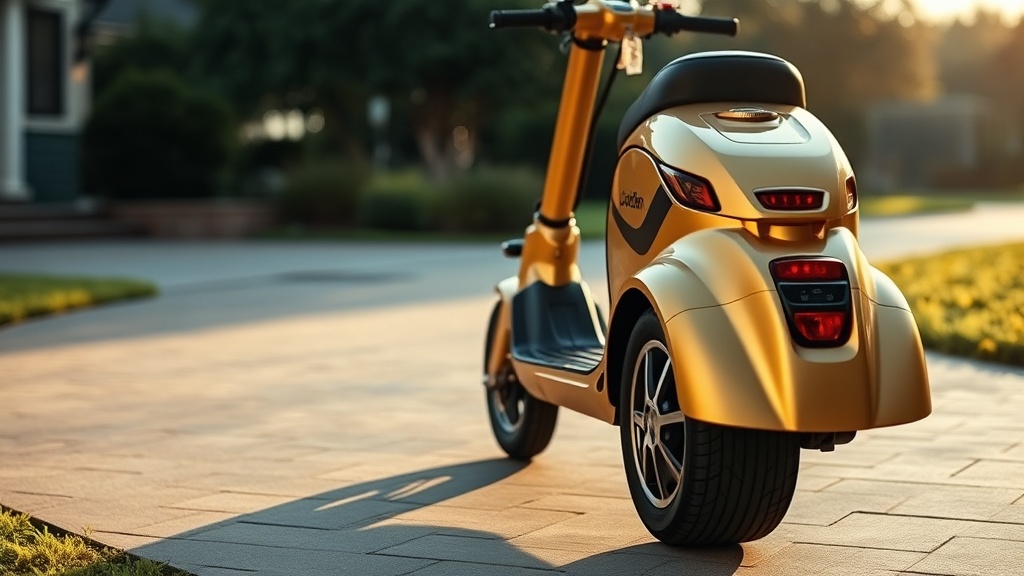
Introduction: Keeping Your Golden Buzzaround EX Rolling—Battery & Tire Maintenance Matters
Owning a Golden Buzzaround EX means enjoying reliable mobility, but consistent performance hinges on two often-overlooked areas: battery care and tire upkeep. This guide walks through practical maintenance steps that prevent breakdowns and extend the scooter’s lifespan, whether you’re a new owner or a seasoned user tackling winter storage or daily errands. From voltage checks to tread depth inspections, every tip here translates directly to longer riding hours and fewer repair costs in Canadian dollars.
How Often Should I Charge the Golden Buzzaround EX Battery Daily?
Charging discipline directly affects the sealed lead-acid battery pack’s cycle life. For the standard 12V/18Ah batteries (often configured as two 12V in series for 24V system), a full recharge after each use—regardless of distance—prevents deep discharge damage. Never let the charge drop below 20% capacity, as sulfation accelerates below that threshold. A typical overnight charge (8–12 hours) restores full voltage; avoid leaving it plugged in for over 24 hours.
If you ride daily, a nightly top-up is ideal. For occasional use, charge every 2–3 weeks even if stored, as self-discharge can still stress cells. Modern chargers with auto-cutoff help, but manual disconnection after green light is best. Expect around 18–22 km of real-world range per charge on level pavement with moderate throttle use, depending on rider weight and tire pressure.
What Is the Correct Tire Pressure for the Golden Buzzaround EX?
The Golden Buzzaround EX rolls on 3-inch-wide solid rubber front tires and pneumatic rear tires (typically 3.00-4 innertube style). For pneumatic tires, maintain 30–35 PSI (2.1–2.4 bar) for the rear wheel(s). Underinflation risks pinch flats and reduces range by up to 15%, while overinflation above 40 PSI creates a harsh ride and uneven tread wear. Use a digital tire gauge monthly—temperature swings in Canadian climates can drop pressure 1–2 PSI per 10°C.
Front tires, being solid, require no pressure adjustment but check for debris embedding. A soft-rolling rear tire at 28 PSI is borderline acceptable but will feel sluggish on inclines. Correct inflation also improves hill-climbing efficiency, a known advantage over heavier models like the Golden Buzzaround EX vs MobiGuide Global: Seat Comfort Comparison for Long Rides (see our seat comfort analysis).
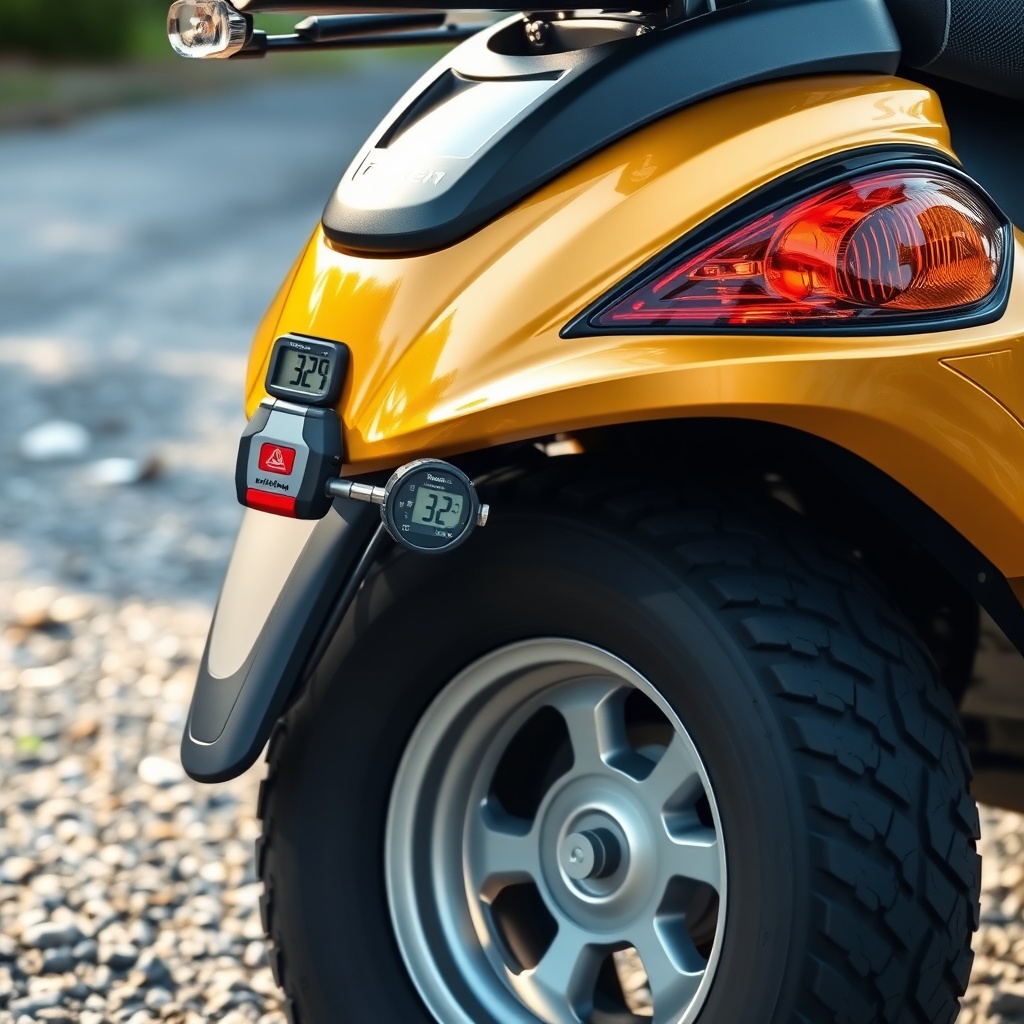
How to Check and Replace the Golden Buzzaround EX Battery
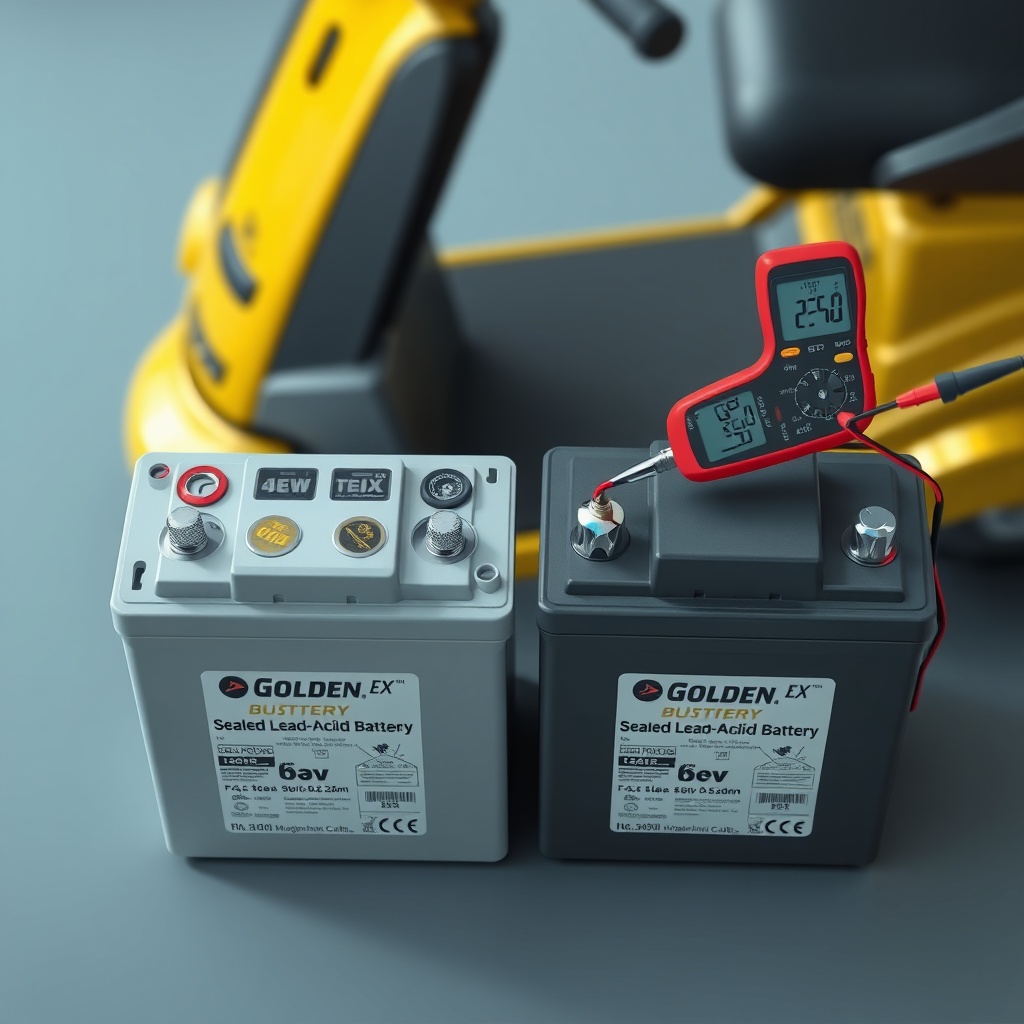
Battery health degrades gradually. Signs of wear include slower acceleration, shorter range below 15 km, or frequent voltage drops on moderate hills. Perform a simple voltage test: fully charged resting voltage should be 25.2–25.6V (for a 24V system). Below 24.0V after a full charge means one or both batteries are failing. Replace in matched pairs—never mix old and new—using exact 12V/18Ah SLA batteries. Expect to spend $120–$160 CAD per set from reputable mobility dealers.
| Condition | Action | Estimated Cost (CAD) |
|---|---|---|
| Voltage below 24.0V after charge | Replace both batteries | $130–$170 |
| Range drop from 20 km to 12 km | Load test; replace if failing | $140–$180 |
| Swollen case or corrosion | Immediate replacement | $150–$190 |
| No issues, 1–2 years old | Maintain charging routine | $0 |
Always disconnect the negative terminal first, and charge new batteries fully before first use. Real-world range data from user reports suggests fresh batteries restore around 20 km on flat terrain—see our Golden Buzzaround EX Battery Range: Real-World Test for detailed logs.
How to Troubleshoot Tire Wear and Punctures on the Golden Buzzaround EX
Pneumatic rear tires wear faster than front solids. Check tread depth monthly—minimum 1.5 mm for safe grip on wet pavement. Punctures often occur from sharp pebbles, glass, or curb impact. If you hear a hissing sound or feel wobble, immediately inspect the tire sidewall and tread. Use tire sealant like Slime (about $12 CAD per application) for preventative protection. For a flat, remove the wheel (8mm Allen key), patch the tube, or replace with a standard 3.00-4 tube ($15–$25 CAD at mobility shops).
Uneven wear indicates misalignment or low pressure. Measure the distance from axle to scooter frame on both sides—it should be equal within 2 mm. If the scooter pulls left or right, check bearings and axle nuts. Replace worn tires before they become smooth; a new rear tire costs around $35–$50 CAD installed. Solid front tires rarely need replacing unless they chunk or crack from UV exposure—inspect annually.
How to Properly Store the Golden Buzzaround EX During Winter
Canadian winters demand special care. Charge the batteries fully before storage (around 25.2V), then disconnect the battery terminals to prevent parasitic drain. Store the scooter in a dry garage or basement above 10°C—freezing damages SLA cells. Inflate rear tires to 35 PSI to avoid flat-spotting from cold. Cover the scooter with a breathable cloth (not plastic) to block dust while allowing moisture escape.
Every 4 weeks during storage, perform a maintenance charge: reconnect and charge for 2–3 hours, then disconnect again. This keeps sulfation minimal. Lubricate folding joints and brake pivots with silicone spray ($10 CAD) before storage. When spring returns, check tire pressure, test the brake lever travel, and take a short 15-minute test ride before resuming daily use. Cold battery performance drops 30% in -15°C, so plan shorter rides early in the season.
What Owners Say About Golden Buzzaround EX Maintenance
Long-term users on mobility forums highlight battery reliability as both a strength and nuisance. Many praise the scooter’s 40 km reach on paper, but real-world tests average 18–22 km after two years. One owner from Vancouver reported: “I got 3 years from OEM batteries by never leaving them plugged in overnight after full charge.” Another from Edmonton emphasized tire pressure: “Pneumatic rears lose air every week in winter—I check every ride.”
Common DIY tips include using foam tire inserts ($25 CAD) to avoid punctures entirely, and upgrading to a smart charger with desulfation mode ($60 CAD). The integrated battery meter is considered accurate within 10% by most—but owners suggest adding a digital voltmeter for precision. The scooter’s 275 lb capacity and 5 mph speed are consistent with maintenance: well-maintained units hold value, with used sales averaging $600–$800 CAD on marketplace sites.
Frequently Asked Questions
Q1: How often should I replace the tires on my Golden Buzzaround EX?
Rear pneumatic tires typically last 2–3 years with moderate use (200–300 km per year). Replace when tread depth is below 1.5 mm or if sidewall cracks appear. Front solid tires rarely need replacement unless damaged.
Q2: Can I upgrade the battery to longer-range lithium-ion?
Yes, aftermarket lithium packs (48V or 24V) are available but require a compatible charger and possibly controller modification. Cost ranges $300–$500 CAD. Warranty may void; check with a dealer first.
Q3: Why does my scooter slow down on hills even with a full battery?
That is normal for 24V SLA systems—voltage drops under load. Lower tire pressure (under 30 PSI) worsens this. Keep tires at 32 PSI and consider replacing batteries if performance degrades significantly.
Q4: What is the average cost of a full maintenance service?
A professional service (battery health check, tire inspection, brake adjustment, and lubrication) runs $80–$120 CAD at a mobility shop. DIY saves about 60% on labor.
Q5: How do I reset the battery meter after replacing batteries?
Some older EX models need manual calibration: fully charge, then ride until the meter shows empty—then recharge fully again. This reprograms the meter. Newer units auto-calibrate after first full cycle.
Q6: Can I use car battery charger on my scooter?
No. Use only the OEM 24V/2A charger included. Car chargers (12V or 24V at higher amps) overheat SLA batteries and risk fire. Always match voltage and current specs.