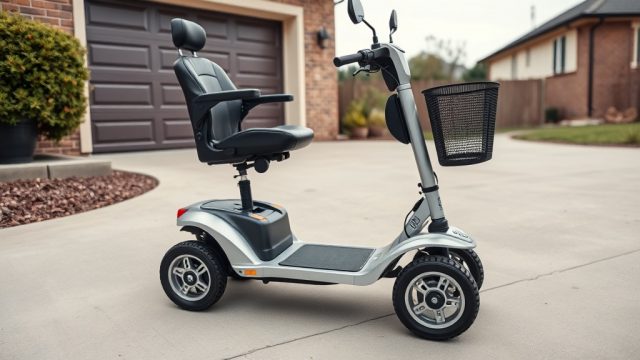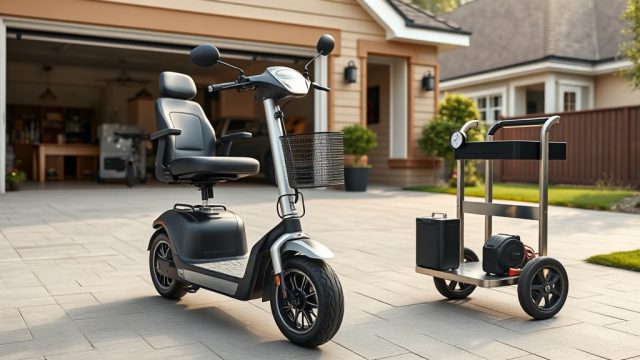
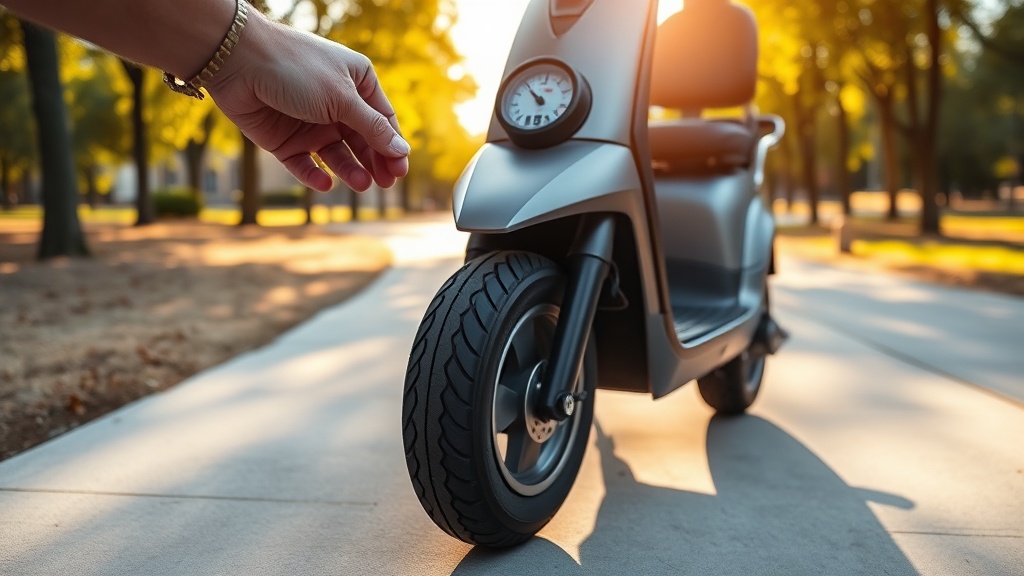
Solax Mobility Traveller Tire Pressure: Maintaining Optimal Performance
Proper tire pressure is the unsung hero of a smooth, safe, and efficient ride on the Solax Mobility Traveller. This compact scooter’s performance relies heavily on maintaining the correct air pressure in its pneumatic tires, whether navigating airport terminals, cobblestone streets, or park paths. This guide covers everything from checking pressure to troubleshooting common issues, ensuring your Solax Traveller delivers peak performance for every journey.
1. What Is the Recommended Tire Pressure for the Solax Mobility Traveller?
The Solax Mobility Traveller’s manufacturer specifies a tire pressure range to balance comfort, stability, and range. For standard pneumatic tires (often 8-inch or 9-inch front and rear), the recommended pressure is typically between 30 and 45 PSI (2.1 to 3.1 bar). The ideal setting depends on rider weight and terrain:
- Light rider (under 75 kg / 165 lbs): 30–35 PSI for a softer ride.
- Average rider (75–100 kg / 165–220 lbs): 35–40 PSI for balanced performance.
- Heavy rider (over 100 kg / 220 lbs): 40–45 PSI to prevent pinch flats and maintain stability.
- Mixed terrain use: 38–42 PSI as an all-around setting.
Always check the sidewall of your specific tire for the maximum allowed pressure—never exceed that value. A simple tire gauge (digital or analog) costs around £10–15 or $12–18 USD and is essential for accurate readings.
Related article: For a broader maintenance overview, see the Solax Mobility Traveller Maintenance: Battery & Tire Care Guide.
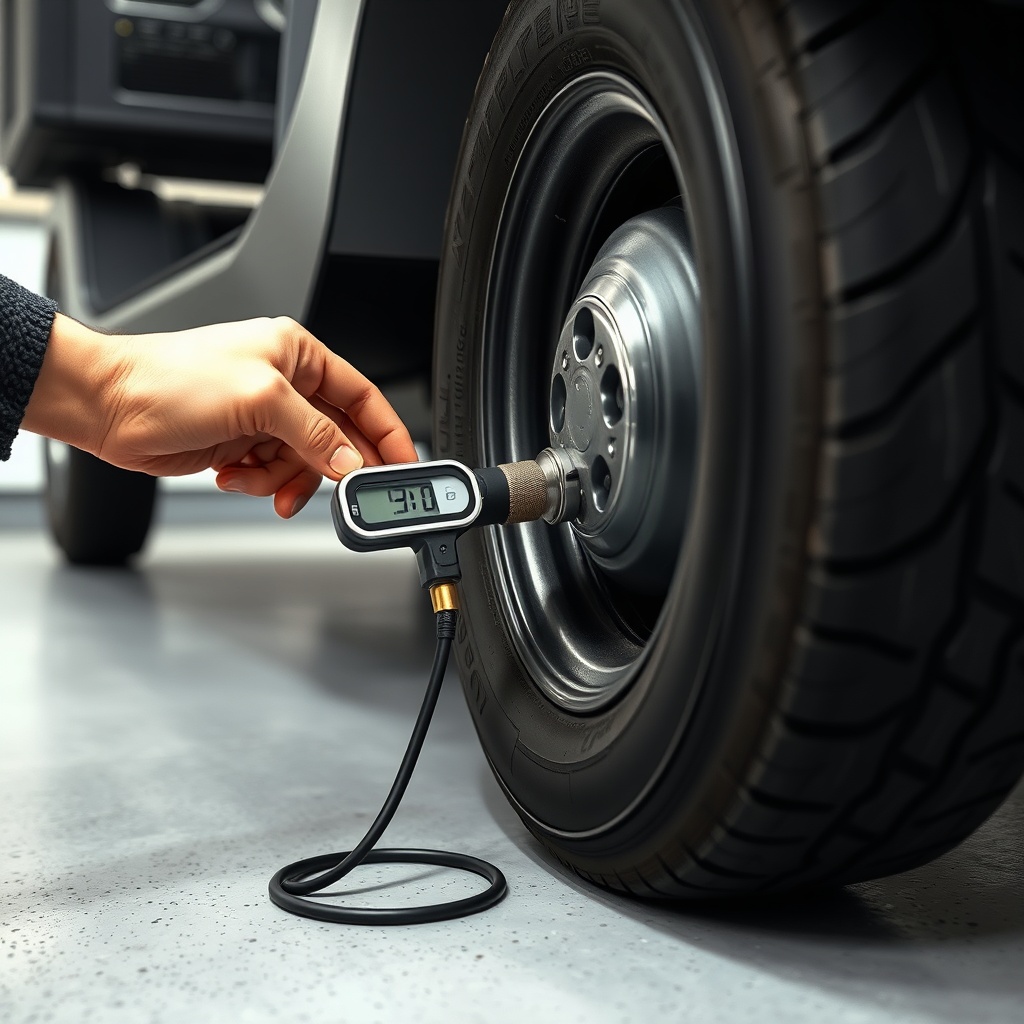
2. How Often Should You Check the Tire Pressure on a Solax Traveller?
Regular checks prevent gradual pressure loss that compromises safety and performance. For the Solax Mobility Traveller, follow this schedule:
| Usage Frequency | Check Interval | Reason |
|---|---|---|
| Daily (commuter use) | Every 7 days | Pneumatic tires lose 1–3 PSI per week naturally. |
| Weekly (leisure use) | Every 14 days | Storage in temperature changes accelerates loss. |
| After long storage | Before first ride | Pressure can drop significantly over months. |
| Before a trip | Pre-departure inspection | Ensures safe travel handling. |
Additionally, inspect tires visually before each ride for cuts, cracks, or embedded debris. If you notice uneven wear or constant pressure drops (more than 5 PSI per week), check for a slow leak.
3. What Happens If Tire Pressure Is Too Low or Too High on the Solax Traveller?
Both extremes cause distinct issues. Low pressure increases rolling resistance, draining battery faster and causing sluggish acceleration. It also risks pinch flats when hitting curbs—common for pavement transitions. High pressure reduces traction on wet surfaces and transmits more vibration to the seat, which can exacerbate discomfort on long rides.
- Underinflation (below 25 PSI): Reduced range (up to 20% loss), slower speeds, more strain on motor, and easier tire damage from potholes.
- Overinflation (above 50 PSI): Harsh ride, increased skid risk on corners, and potential tire blowout if hitting a sharp object.
- Proper inflation (30–45 PSI): Optimal battery economy (5–10% range improvement), better grip, and minimal vibration.
For a real-world range comparison, refer to the Solax Mobility Traveller Battery Range: Real-World Test to see how pressure affects distance.
4. How Do You Inflate the Solax Mobility Traveller Tires Correctly?
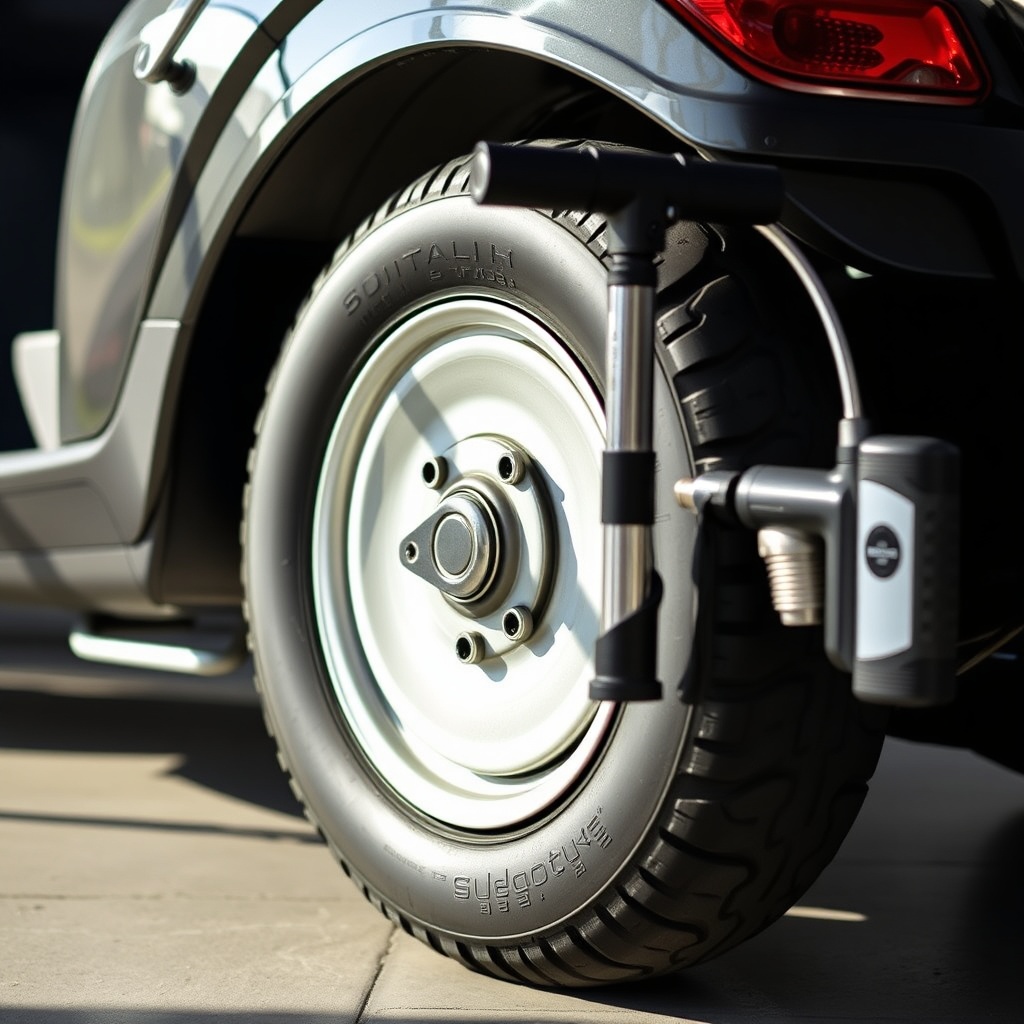
Inflating the Solax Traveller tires is straightforward but requires a few tools. Use a portable bike pump or a compact air compressor with a Schrader valve adapter (most scooters use standard Schrader valves). Follow these steps:
- Unscrew the valve cap and press the gauge briefly to release a tiny puff of air (to ensure the valve is clear).
- Attach the pump or compressor nozzle firmly. If using a gas station pump, set the pressure low initially and add gradually.
- Inflate slowly—a few seconds at a time—and check pressure with a separate gauge after every 3–4 seconds.
- Stop when the reading matches your target PSI (e.g., 38 PSI for average riders).
- Replace valve cap tightly to prevent dirt ingress.
- Repeat for the second wheel. Note: rear tire often carries more weight and may need 2–3 PSI higher than front.
Never inflate cold tires above the maximum printed on the sidewall (usually 50 PSI). If you lack a gauge, a quick check: press thumb into the tire—it should feel firm but not rock-hard.
Related article: For travel-specific tips, including how to store tires when flying, see Solax Mobility Traveller Portability: Essential Travel Tips for Easy Transport.
5. How Do You Troubleshoot Uneven Tire Wear on the Solax Traveller?
Uneven tire wear signals alignment issues, overloading, or improper inflation patterns. Common wear types and fixes:
- Center wear (bald strip in the middle): Overinflation. Reduce pressure by 3–5 PSI.
- Edge wear (shoulder tread gone): Underinflation or overloading. Increase pressure and check weight limit (max 120 kg / 265 lbs).
- One side wear (left or right edge): Misalignment or bent axle. Inspect wheel bearings and have a technician check steering alignment.
- Cupping (dips around tire): Suspension or balance issue. Replace tire if severe; balance wheel weight may help.
For the Solax Traveller, the front tire tends to wear faster due to turning forces. Rotating tires (swap front and rear) every 1,000 miles / 1,600 km can extend lifespan. If wear is severe within 800 km (500 miles), check for manufacturing defects or improper pressure history.
6. What Owners Say About Solax Mobility Traveller Tire Pressure
Owners on forums and retail review sites frequently highlight the importance of regular tire checks. Many report that incorrect pressure is the primary cause of reduced range complaints. “I was getting only 10 miles per charge until I inflated to 40 PSI—then it jumped to 14,” one owner noted. Others mention that underinflated tires make the scooter feel “sluggish” and harder to push manually.
Another common theme is that the standard gauge included with some pumps proves inaccurate. Experienced owners recommend buying a separate digital gauge ($8–12 / £6–10) for consistency. Several users also share that maintaining 35 PSI in the front and 38 PSI in the rear gives the best balance for daily pavement use. For gravel or uneven terrain, dropping to 30 PSI is preferred for better traction, albeit with a range penalty.
For seat comfort on long rides—which is affected by tire vibration—check the Solax Mobility Traveller Seat Comfort: Is It Good for Long Rides? review. Also, comparing the Solax to the Pride Go-Go Elite Traveller Plus can help gauge if pressure management suits your needs—see the Solax Mobility Traveller vs Pride Go-Go Elite Traveller Plus: Complete Buying Guide for 2024.
Frequently Asked Questions
Q1: Can I use solid (flat-free) tires on the Solax Mobility Traveller?
Yes, some owners swap to solid tires to eliminate pressure checks. However, they reduce ride comfort and can add 1–2 kg of weight, lowering battery range by 5–10%. For dedicated indoor users, solid tires may be acceptable, but for outdoor travel, pneumatic tires offer necessary cushioning.
Q2: What tools do I need to check tire pressure on the Solax Traveller?
You need a tire pressure gauge (digital or dial-type) and a pump with Schrader valve compatibility. A floor pump with a built-in gauge is ideal for home use; a mini bike pump works for travel. Avoid using a gas station pump without a gauge—they often overinflate.
Q3: How does cold weather affect the Solax Traveller tire pressure?
Cold temperatures lower pressure by about 1 PSI per 10°F (5.5°C) drop. In winter, check pressure after the scooter has been exposed to ambient cold for several hours. Increase target pressure by 2–3 PSI to compensate for the drop, but never exceed the sidewall maximum.
Q4: My Solax Traveller tire keeps losing pressure even after inflating—what’s wrong?
This indicates a slow leak from a puncture, a faulty valve core, or a poorly seated tire bead. Immerse the inflated tire in soapy water to find bubbles—patches or tire sealant like Slime can fix small punctures. If loss persists within 24 hours, replace the inner tube or tire.
Q5: Can I use a portable air compressor from my car to inflate the Solax Traveller tires?
Yes, but set the compressor’s regulator to a low pressure (around 20 PSI first) to avoid overinflation. Use a separate gauge, as car compressors often have inaccurate built-in gauges at low pressures. Stop frequently to check with your manual gauge.
Q6: How do I know when to replace the tires on my Solax Traveller?
Replace tires when tread depth is below 1.6 mm (1/16 inch), when cuts or cracks expose cords, or if you experience repeated flats. Typical lifespan is 1,500–2,500 miles (2,400–4,000 km) depending on terrain and pressure maintenance. Inspect sidewalls for bulges—replace immediately if found.