Solax Mobility Traveller Tire Pressure: Maintaining Optimal Performance
Proper tire pressure is a cornerstone of safe and efficient scooter operation, and the Solax Mobility Traveller is no exception. Under-inflated or over-inflated tires can compromise handling, range, and ride comfort, turning a smooth journey into a frustrating experience. This guide provides a comprehensive, step-by-step approach to maintaining the correct tire pressure for your Solax Mobility Traveller, ensuring every trip is as comfortable and reliable as possible.
Why Is Correct Tire Pressure Critical for the Solax Mobility Traveller?
The Solax Mobility Traveller, like all scooters, relies on its tires to absorb road shock, provide traction, and support its weight. When tire pressure is off, the consequences are immediate and measurable. Under-inflation increases rolling resistance, which can drain the battery faster—a key factor when considering real-world range. Over-inflation, on the other hand, reduces the contact patch, making the scooter more prone to skidding on wet or uneven surfaces. The manufacturer recommends a tire pressure of 30–35 PSI (pounds per square inch) for the 3.00-8 solid tires on the Traveller, typically set to 32 PSI for an optimal balance of comfort and efficiency.
Neglecting pressure checks can lead to uneven tread wear, reduced shock absorption for the rider, and increased strain on the motor and drivetrain. For a scooter designed for portability, such as the Traveller—which weighs 43 pounds with the battery—maintaining correct pressure is also vital for ensuring the scooter folds and rolls smoothly when not in use, complementing its portability features.
How Often Should I Check Tire Pressure on the Solax Mobility Traveller?
Frequency of checks depends on usage, but a good rule of thumb is to inspect tire pressure at least once a week if the scooter is used daily. For less frequent riders, checking before every long trip or at least once a month is recommended. Temperature changes can affect pressure—colder weather can drop PSI by 1–2 PSI, while hot surfaces can increase it slightly. If you notice a significant change in ride quality, such as a harsh bumpiness or a sluggish feel, check the pressure immediately.
For owners who store the scooter in a garage or shed, pressure should be verified after any period of non-use longer than two weeks, as gradual air loss can occur through the valve stems. Regular checks, paired with the battery care tips in our comprehensive maintenance guide, will extend the overall life of your scooter.
What Tools Do I Need to Check and Adjust Tire Pressure?
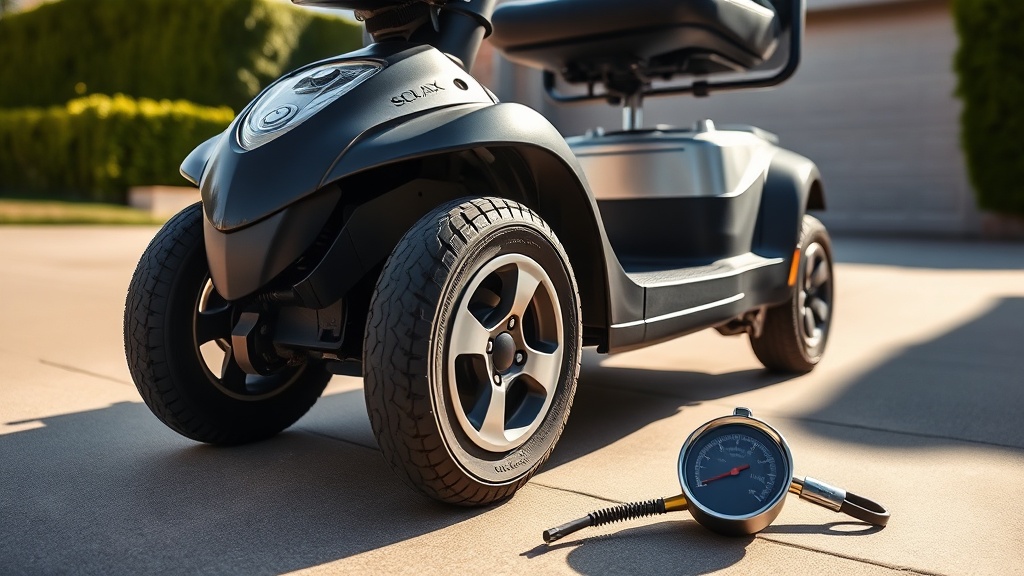
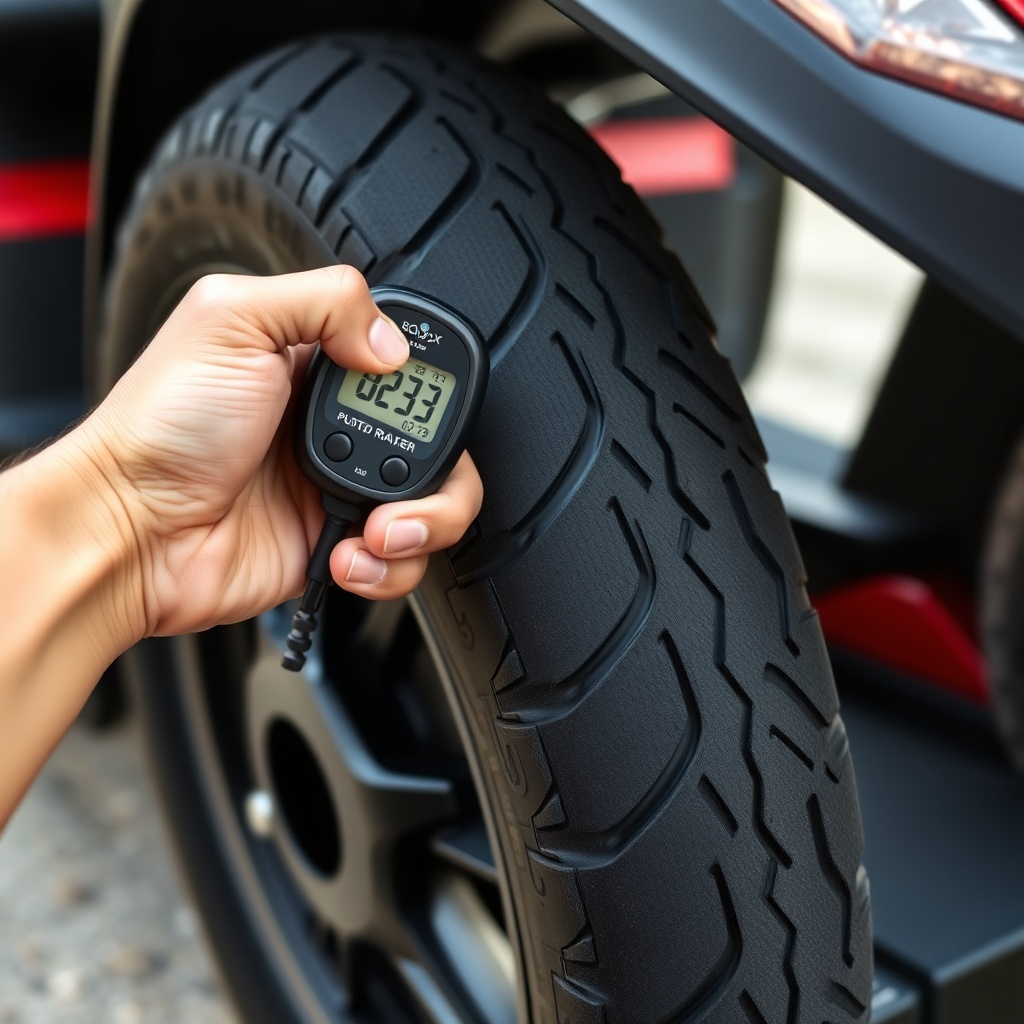
To perform a proper tire pressure check on the Solax Mobility Traveller, you will need a reliable tire pressure gauge. Digital gauges are highly recommended as they provide precise readings to within 0.5 PSI. Standard pencil-style gauges can work but may be less accurate for the lower pressures typical of scooter tires. Additionally, a small air compressor with a Schrader valve attachment (the same type used on car tires) is ideal for inflating. Many owners find that a portable 12V compressor or a manual bicycle pump with a pressure gauge built-in works well. Avoid using gas station air pumps with high-volume hoses, as they can over-inflate the relatively small scooter tires quickly.
Always check and adjust pressure when the tires are cold—meaning the scooter has not been ridden for at least three hours. Riding heats the air inside, increasing pressure and leading to a false reading. If you need to adjust while warm, subtract 2 PSI from your target to compensate.
| Tool Type | Recommended Use | Approximate Cost (GBP) |
|---|---|---|
| Digital Tire Pressure Gauge | Accurate reading to 0.5 PSI; backlit display for dark conditions | £8–£15 |
| Pencil-Style Gauge | Inexpensive but less precise; good for quick checks | £3–£7 |
| Portable 12V Compressor | Fast inflation with preset PSI shut-off; ideal for home or car use | £20–£40 |
| Manual Bicycle Pump | Reliable, no power needed; requires more effort but low cost | £10–£25 |
What Is the Step-by-Step Process for Checking and Inflating Solax Mobility Traveller Tires?
Follow this method for accurate and safe pressure maintenance:
- Step 1: Ensure the scooter is turned off and parked on a flat, level surface. Remove any debris or dirt from the tire valve caps.
- Step 2: Remove the valve cap and press the tire pressure gauge firmly onto the valve stem. You should hear a brief hiss as the gauge seats. Read the digital or analog display.
- Step 3: Compare the reading to the recommended 30–35 PSI range. The optimal setting for most riders is 32 PSI. If the reading is below 30 PSI, inflate. If above 35 PSI, release air by pressing the small pin inside the valve stem.
- Step 4: To inflate, attach the nozzle of your air pump to the valve stem and add air in short bursts (2–3 seconds). Recheck the pressure after each burst. Over-inflation is just as problematic as under-inflation.
- Step 5: Once the desired pressure is reached, replace the valve cap and press it down firmly to seal.
Repeat the process for the front tire, as the rear tire may have a slightly different baseline due to weight distribution—always aim for the same PSI on both tires for even handling.
What Are Common Tire Pressure Problems and How Do I Troubleshoot Them?
Several issues can arise, and knowing how to identify them can save time and money. Here are three frequent problems:
- Rapid Air Loss: If a tire loses 5 PSI or more within a week, there is likely a puncture or a faulty valve stem. Inspect the tread for embedded objects like nails or glass. Check the valve core by tightening it with a valve core tool. If the tire is solid (puncture-proof), air loss may indicate a manufacturing defect—contact Solax customer service.
- Uneven Tread Wear: If the center of the tread is worn faster than the edges, the tire has been over-inflated. Conversely, worn edges indicate chronic under-inflation. Correct the pressure immediately and consider rotating tires if allowed by your model.
- Bumpy or Harsh Ride: This typically points to over-inflation (above 35 PSI). Reduce pressure gradually until the ride feels smooth. For a scooter used on uneven terrain, such as cobblestones or gravel, dropping to around 30 PSI can improve comfort, but will increase rolling resistance slightly.
If you experience handling issues that persist after adjusting pressure, the problem may lie elsewhere, such as in the steering column or wheel bearings. In such cases, consult the buying guide for comparison insights on build quality, or refer to a professional service.
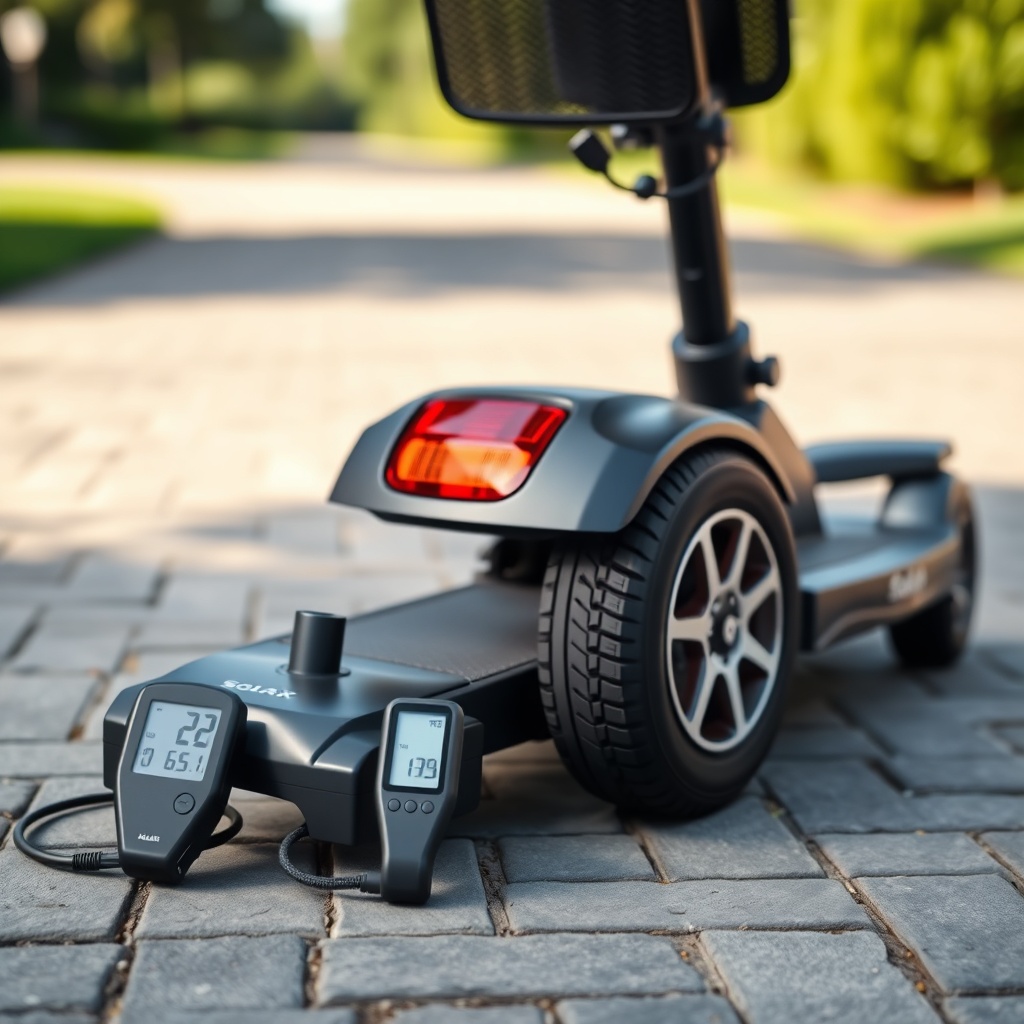
What Owners Say: Tire Pressure Maintenance Experiences with the Solax Mobility Traveller
Real-world feedback from Solax Mobility Traveller owners highlights the importance of diligent pressure checks. Many users report that maintaining 32 PSI yields a comfortable ride on both urban pavements and light gravel paths. One owner in Manchester noted that after hitting a curb, the front tire lost 4 PSI overnight, but a quick re-inflation restored smooth operation. Another user in London praised the scooter’s stability at higher pressures on flat surfaces but switched to 30 PSI for cobblestone streets, finding it less jarring on the back. Common tips shared include carrying a small digital gauge in the scooter’s storage bag, as found in our seat comfort review, which emphasizes preparation for long rides. Some owners caution against using automatic car tire inflators without a pressure release feature, as they can overshoot the 35 PSI limit, risking tire damage. Overall, the consensus is that regular checks—especially before weekend excursions—are key to avoiding sudden deflation and maintaining battery efficiency, a topic covered in the real-world battery test.
However, a few owners report difficulty accessing the valve stems due to the scooter’s low ground clearance. A right-angle valve stem extender can solve this for less than £5 online. Others mention that the solid tires (non-pneumatic) eliminate air loss, but the Traveller uses pneumatic tires for better ride quality, making pressure maintenance non-negotiable.
Frequently Asked Questions
Q1: What is the best tire pressure for my Solax Mobility Traveller to maximize range?
A: For optimal range, inflate to 35 PSI (upper limit). This reduces rolling resistance, allowing the motor to use less power. However, the ride will be firmer. For most users, 32 PSI offers a good balance.
Q2: Can I use a standard car tire pump on the Solax Mobility Traveller?
A: Yes, but with caution. Use a pump with a gauge and inflate in short bursts, as car pumps deliver air quickly. Stop and check the pressure every 2–3 seconds to avoid over-inflation above 35 PSI.
Q3: How do I know if my tire has a slow leak?
A: Mark the tire position with chalk and check pressure after 48 hours. If the PSI drops by 3 or more, apply soapy water to the tread and valve stem. Bubbles will indicate the leak location. For persistent leaks, visit a tire repair shop.
Q4: Does cold weather affect the tire pressure?
A: Yes, air contracts in cold temperatures. For every 10°F drop, pressure can decrease by about 1 PSI. Check pressure before riding in winter and adjust up to 34 PSI as needed to compensate.
Q5: What happens if I ride with under-inflated tires?
A: Under-inflation increases rolling resistance, reducing battery range by up to 15%. It also causes the tire to overheat, increasing wear and the risk of a blowout. Handle may feel sluggish, and the scooter may drift during turns.
Q6: Can I replace the Solax Traveller tires with solid (airless) tires?
A: It is not recommended by the manufacturer. Solid tires can be harder to install, may increase the overall weight, and dramatically worsen ride comfort. Stick to the recommended pneumatic tires for the best experience.