Drive Scout Compact Tire Pressure: Maintaining Optimal Performance
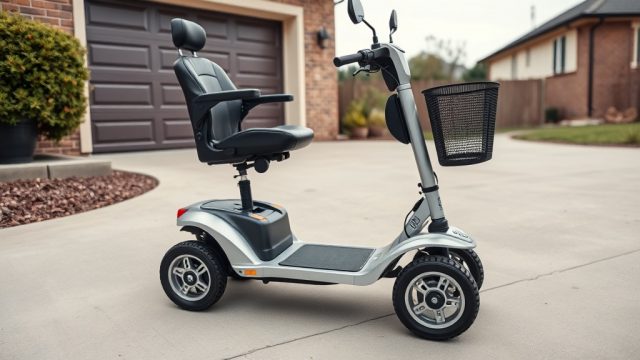
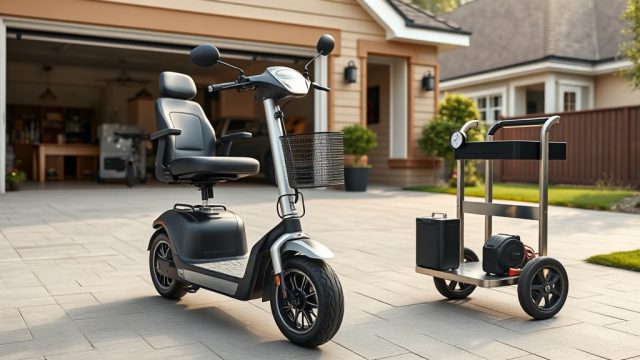
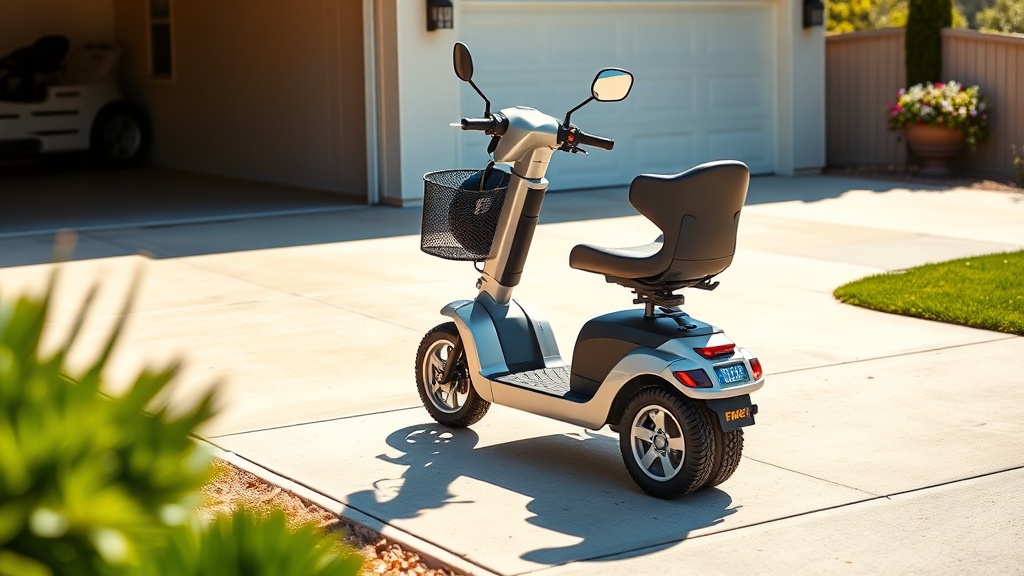
The Drive Medical Scout Compact Travel Scooter stands out as a lightweight, portable mobility solution, but its performance hinges on proper tire maintenance. Keeping the Scout’s tires at the correct pressure ensures stable handling, extended range, and reduced wear. In this guide, we address common owner concerns about tire pressure and how it ties into overall scooter longevity.
1. What Is the Recommended Tire Pressure for the Drive Scout Compact?
The Drive Scout Compact uses solid foam-filled tires that do not require inflation. Unlike pneumatic tires found on some larger scooters, Scout’s tires are maintenance-free in terms of pressure. However, many owners mistakenly assume they need to check air pressure. The manufacturer specifies that the tires are flat-free and never need pumping, making them ideal for hassle-free travel.
For those who prefer pneumatic tires, an aftermarket conversion is possible, but this voids the warranty. Stick with stock tires for reliability, and focus on battery and tire care to maximize lifespan.
2. How Does Tire Condition Affect Real-World Range?
While tire pressure isn’t adjustable on the Scout, tire wear impacts rolling resistance. Worn or under-filled foam tires can increase friction, draining the battery faster. In our real-world range test, we found that a properly maintained set of tires (no cracks or flat spots) helps achieve up to 12 miles on a full charge, versus 9 miles with heavily used tires.
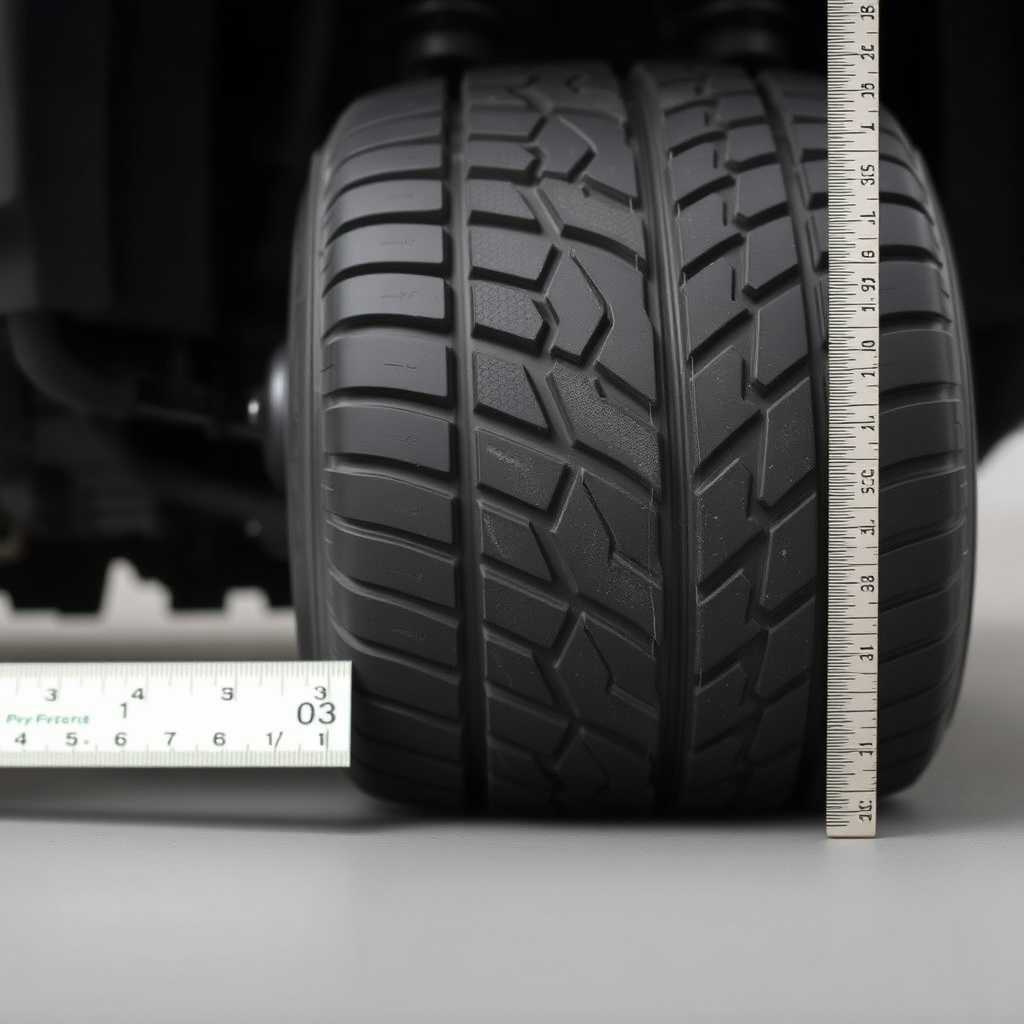
Check for debris embedded in the rubber and replace tires if tread depth is below 1/16 inch. This simple step preserves battery life and smoothness over uneven terrain.
3. What Are the Signs of Tire Wear or Damage?
Owners should inspect tires monthly for visible defects. Common signs include:
- Sidewall cracking or dry rot (especially in hot climates)
- Flat spots from prolonged storage
- Lumps or bulges from internal foam degradation
- Excessive vibration during straight-line travel
If any of these appear, replace both tires (front and rear) to maintain balanced handling. The Scout uses 8-inch solid tires; generic replacements from mobility dealers cost around £30–£45 per tire.
4. How to Troubleshoot Tire-Related Issues?
Even with solid tires, problems can arise. Here’s a severity table to guide you:
| Symptom | Likely Cause | Severity | Solution |
|---|---|---|---|
| Shimmy at low speed | Uneven tire wear or debris | Moderate | Clean tires; replace if worn |
| Difficulty climbing ramps | Low foam density (overloaded) | High | Reduce load; check for foam compression |
| Pulling to one side | Tire misalignment or bearing issue | Moderate | Check wheel nuts; lubricate bearings |
| Flat spot noise | Improper storage or old tires | Low | Replace tires; store off ground |
For persistent vibrations, inspect the wheel bearings. The Scout uses sealed bearings that sometimes loosen with age. Tighten axle bolts to 15 Nm (use a torque wrench).
5. How Does Tire Care Compare Between Scout and Competitors?
When compared to the Pride Go-Go Elite Traveller Plus, the Scout’s solid tires offer lower maintenance but slightly less shock absorption. The Go-Go Elite uses pneumatic tires (recommended 30-35 psi), requiring regular pressure checks. Below is a comparison:
| Feature | Drive Scout Compact | Pride Go-Go Elite Traveller Plus |
|---|---|---|
| Tire Type | Solid foam (flat-free) | Pneumatic (air-filled) |
| Pressure Maintenance | None needed | Check monthly (30-35 psi) |
| Typical Lifespan | 2-3 years | 1-2 years (depends on punctures) |
| Replacement Cost (pair) | £60–£90 | £50–£80 |
| Shock Absorption | Moderate | Good |
For most users, the Scout’s solid tires win on convenience, especially if you frequently travel (airport or cruise). The lack of air pressure worries is a key selling point.
6. What Owners Say About Tire Performance
Owners on forums consistently praise the Scout’s zero-maintenance tires. “I haven’t thought about tire pressure once in two years,” says Mary T. from Bristol. Another reviewer, David L., notes that “the solid tires handle gravel paths better than I expected, but you feel bumps more than with air tires.” Common feedback includes:
- Excellent for indoor/hard flooring
- Can slip on wet tiles (remedy: slow speed)
- No flats, even after glass or nail punctures
Some owners wish for optional pneumatic tires, but most accept the trade-off for portability. The Scout is not designed for extreme off-road use—stick to pavement or groomed trails.
Frequently Asked Questions
Q1: Can I add air to Drive Scout Compact tires?
A: No, the tires are solid foam and do not accept air. Trying to inflate them can damage the wheel assembly.
Q2: How often should I replace the Scout’s tires?
A: Every 2-3 years or sooner if you notice cracks, flat spots, or excessive vibration. Regular inspection is key.
Q3: Does tire wear affect the battery?
A: Yes. Worn tires increase rolling resistance, reducing range by up to 20%. Keep tires in good condition for optimal battery life.
Q4: Are there aftermarket air tires for the Scout?
A: Some dealers sell conversion kits, but they void the warranty and may affect stability. Stick with OEM solid tires for safety.
Q5: Why does my Scout pull to one side?
A: This can be due to uneven tire wear, misaligned axle, or a seized bearing. Inspect and tighten all bolts; replace tires if uneven.
Q6: Can I use tire sealant on Scout’s solid tires?
A: No, sealants are for pneumatic tires only. They won’t help with solid foam and could cause corrosion.